Research Summary - Interstitial Cystitis Response and Nerve Blocks

Posted by Clark Love on Jan 9, 2023 12:04:30 PM

Patients who suffer from bladder pain syndrome/interstitial cystitis (BPS/IC) face many challenges. One of the primary issues is chronic pelvic pain, which can range from mild to severe.


Other symptoms of BPS/IC include frequent urination (especially at night), a persistent urge to urinate, and pain during intercourse. Patients may also experience urinary urgency and frequency, urinary incontinence, and difficulty emptying the bladder.


So how do patients find relief from these complex issues? The causes of BPS/IC remain uncertain, and there's no known cure. The good news is that there are several promising treatment options, including interstitial cystitis nerve blocks. 

Read More

Topics: interstitial cystitis, Nerve Blocks

Summary of AUGS-IUGA Joint Statement on Enhanced Surgery Recovery

Posted by Clark Love on Jan 5, 2023 10:30:13 AM

In November 2022, the American Urogynecologic Society (AUGS) and International Urogynecological Association(IUGA) released a joint clinical consensus statement that could signal a big change in how the urology industry approaches surgery. So what was important enough to bring these multinational experts together? 


After conducting a review, the AUGS and IUGA reached multiple findings concerning enhanced recovery after surgery (ERAS) – and its implications for clinical outcomes and care costs. The joint statement offered multiple recommendations geared toward optimizing patient management. Here are the details.

Read More

Topics: American Urogynecologic Society, International Urogynecological Association

Pelvic Floor Physical Therapy - Why Is It Not More Widely Adopted?

Posted by Clark Love on Nov 17, 2022 12:37:36 PM

Pelvic floor muscles work with the pelvic bones to support your lower body. Like the muscles that help you lift, they stabilize your pelvis and spine while improving pelvic floor strength. They are extremely important, especially in women during pregnancy, delivery, and recovery. They can also help you with incontinence, sexual function, and even your ability to walk.

However, due to trauma and stress, the pelvic floor muscles can become weakened or tight, leading to pelvic floor disorders, such as stress urinary incontinence and pelvic organ prolapse. These disorders are widely known and can significantly impact women's health and quality of life.

Read More

Topics: Urodynamics Testing, Pelvic Floor Physical Therapy

A Review of Anorectal Manometry Equipment Makers

Posted by Clark Love on Nov 8, 2022 11:26:59 AM

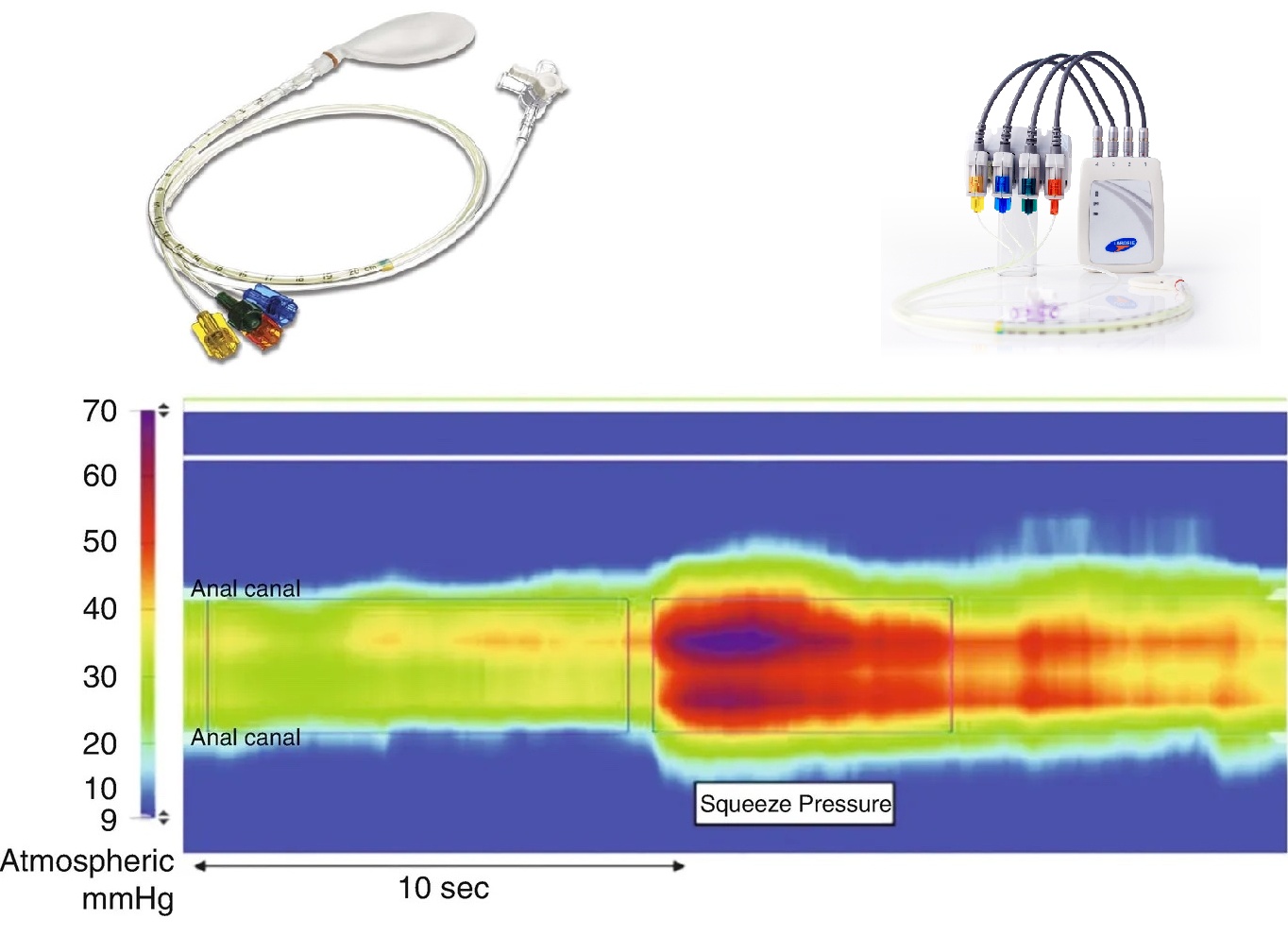
What distinguishes dependable anorectal manometry equipment makers from the rest of the pack? In this review, we'll cover some market leaders to help you decide which supplier might be the ideal partner.

Why is getting to know the options so important? For starters, selecting the right anorectal manometry equipment for a practice isn't always straightforward. 

Finding a manufacturer that makes sound catheters, equipment, and software is just the start. Depending on how you run your business or department, you might gain just as much benefit from looking for a supplier that provides the full package, including ongoing support, on-demand assistance, and training. Here's what we were able to unearth about a few key players.

Read More

Axonics vs. Medtronic - The Battle Is On for OAB Neuromodulation

Posted by Clark Love on Oct 14, 2022 10:52:57 AM

There are many ways to treat and manage conditions like overactive bladder (OAB). But could a market brouhaha over neuromodulation IP impact how practitioners leverage established treatments?


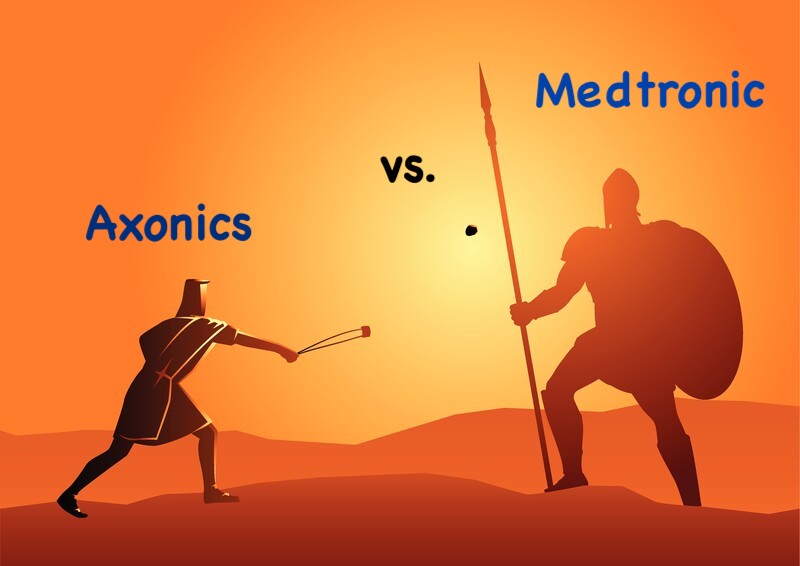
The two main players in the field, Medtronic and Axonics, have been butting heads for a while. Both are determined to dominate the OAB treatment market segment that could always use more attention, and the winner will likely be the company that is most innovative over the longer-term. The battle is truly one of “David versus Goliath”.  Here's what the battle for the OAB neuromodulation crown might mean for urology and urogynecology practices.

Read More

Topics: OAB Neuromodulation

Urodynamics Studies and Prophylactic Antibiotics

Posted by Clark Love on Oct 4, 2022 9:11:07 AM

Most medical practitioners are well aware that few procedures are truly risk-free. While this seems obvious in the case of things like surgeries, treatment isn't the only area of concern when it comes to patient outcomes. Certain diagnostic procedures may also pose risks, making it vital to understand how to mitigate the hazards and optimize the quality of treatment.

Urodynamic studies (UDS) are a prime example of how an overwhelmingly benign procedure nonetheless demands attention to detail and experienced oversight. Here's what to know about UDS, conditions like bacteriuria and urinary tract infections (UTIs), and commonplace risk reduction strategies like the use of prophylactic antibiotics.

Read More

Topics: Urodynamics Testing

How Urology Practices Can Better Retain Nursing Talent

Posted by Clark Love on Oct 3, 2022 12:35:21 PM

When it comes to managing a urology practice, boosting nursing workforce retention is no easy task.

Nursing is a high-stress field in general. Urology's increased knowledge burdens, professional skill requirements, frequent patient contact, and extra workloads only add to the strain, resulting in high turnover rates and diminishing workplace satisfaction.

Administrators who want their practices to succeed must proactively improve working conditions. Here are some insights on why the problem is so important and seven smart ways to drive heightened retention.

Read More

Topics: Urodynamics Nurse, Urology Practice Staffing

The 7 Characteristics That Make for a Great Urodynamics Nurse

Posted by Clark Love on Jul 23, 2022 12:20:16 PM

Whether you're running a urology practice or trying to become a key player at one, having a good understanding of what makes a great urodynamics nurse is vital. While there are many schools of thought on the characteristics that define good employees in general, this work is highly specialized – So it makes sense that there are a few things most employers can agree on.

Read More

Topics: urodynamics staffing, Urodynamics Nurse

Characterizing Rectoanal Inhibitory Reflex in Constipated Patients using Anorectal Manometry

Posted by Clark Love on Jul 7, 2022 1:25:51 PM


Anorectal manometry (ARM) is a diagnostic test used to evaluate abnormalities

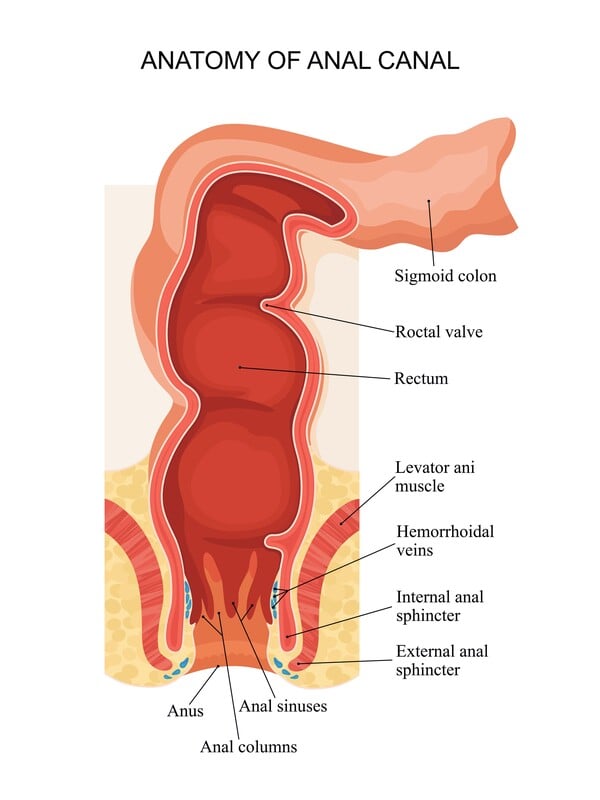
of the anal sphincter muscles and the rectum. If you have a patient who presents an abnormal rectoanal inhibitory reflex (

RAIR) that impacts their ability to defecate normally, it may be worth considering anorectal manometry to assess their need for further treatment. Here's what to know about this diagnostic tool.

Read More

Topics: Anorectal Manometry, Rectoanal Inhibitory Reflexes

Non-Invasive Uroflowmetry versus Urodynamic Testing: A Meta-Analysis

Posted by Clark Love on Jul 5, 2022 6:16:32 PM

Patients who come to the hospital reporting incontinence or voiding issues are due for urological testing. However, which specific test they need will depend on what their symptoms are and what the doctor’s best judgment is.

The decision may not always be straightforward because each patient is different, and also because of the confusion around uroflowmetry and urodynamic testing; the two most common urological tests.

In this post, we will define each of these tests, establish what they do and who they are for, then finally break down the urodynamic testing process. This step-by-step analysis intends to explain how these two procedures are connected, and how we can maximize their potential to get the best results for all patients.

Read More

We hope our blog is helpful.  Please leave us your thoughts and feel free to share any posts of interest to you on your social media accounts using the social media links at the top.

Subscribe to Email Updates

Recent Posts

Posts by Topic

see all