
Urodynamics is a set of tests and procedures that measure lower urinary tract function. These tests are prescribed by urologists, gynecologists, or urogynecologists, and the results from the tests allow them to look at how a patient's lower urinary tract is working. The bladder, sphincters, and urethra (all parts of the lower urinary tract) work together to hold and release urine. Most urodynamic tests are concerned with measuring the ability of your bladder to hold and drain urine completely.

Topics: Urodynamics Testing, urodynamics equipment, urodynamics training
Urodynamics is a panel of tests relating to the lower urinary tract. It is most commonly used in its entirety; however, it is also possible that one or more of the components will be performed separately if symptoms suggest this is necessary.
Urodynamics is the most reliable way to determine the cause of lower urinary tract symptoms and therefore, the best way to determine which treatment methods are most appropriate.
A Care Pathway is an evidenced-based framework to build a treatment plan upon, beginning with the primary physician, continuing to specialist referrals if necessary, and following the patient through to the end of their treatment (including follow-up care).
They typically follow a common path that starts with patient history, followed by clinical assessment, provisional diagnosis, first line management, specialist management, and follow-up care.
Some examples are listed here:
Topics: Urodynamics Testing, General Urology Information, urodynamics, urodynamics equipment, urodynamics staffing, urinariy incontinence, urodynamics interpretation, post-void residual, stress incontinence, urodynamics profitability, urodynamics catheters, UroGynecology, Cystometrogram
When it comes to diagnosing patients right the first time, urologists, obstetricians, gynecologists, and healthcare professionals who want to improve the services they offer to patients all need to have access to the right testing options for diagnosing specific issues. The same is true when it comes to monitoring the health of the lower urinary system, with urodynamics being the only testing option specifically designed to monitor patient urinary health.
What Is Urodynamics?
Urodynamics refers specifically to the study of how the bladder, urethra, and associated sphincters in the body do their job of storing and releasing urine. Urodynamic testing therefore refers to the set of tests that provide healthcare professionals with valuable information on the health and function of a patient’s urinary system.
Topics: Urodynamics Testing, Reimbursement, outsourcing diagnostics, urodynamics, urodynamics equipment, urodynamics staffing, clinical operations, video urodynamics, urodynamics interpretation, urodynamics service provider, post-void residual, male urodynamics, Pediatric Urodynamics, Uroflowmetry, urodynamics catheters, UroGynecology
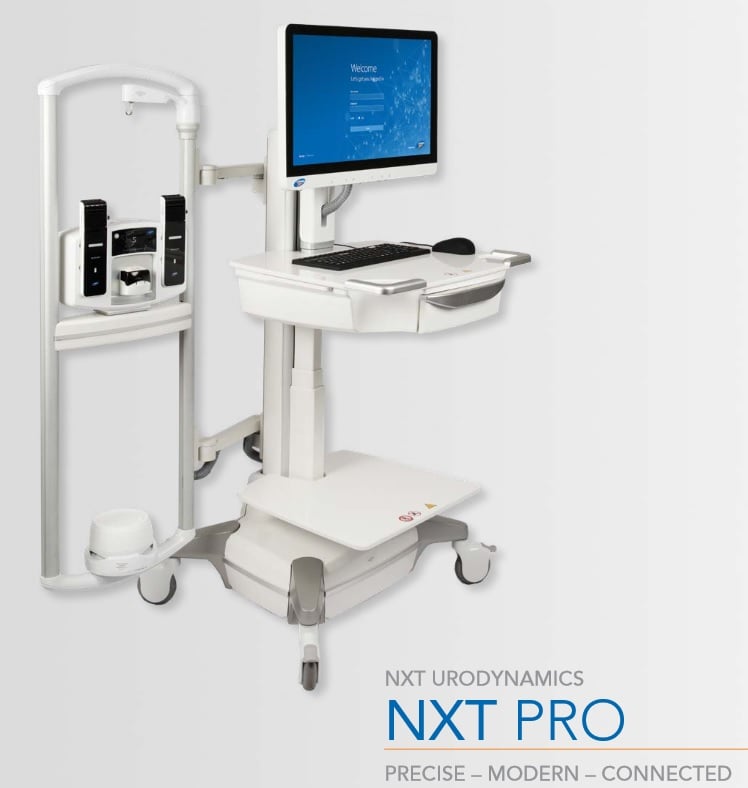
Laborie’s New 2020 Urodynamics Equipment: The Good and The Bad
Disclaimer: I have not used the new system myself and relied upon colleagues who have for reviews. Additional information is from review of Laborie’s marketing materials.
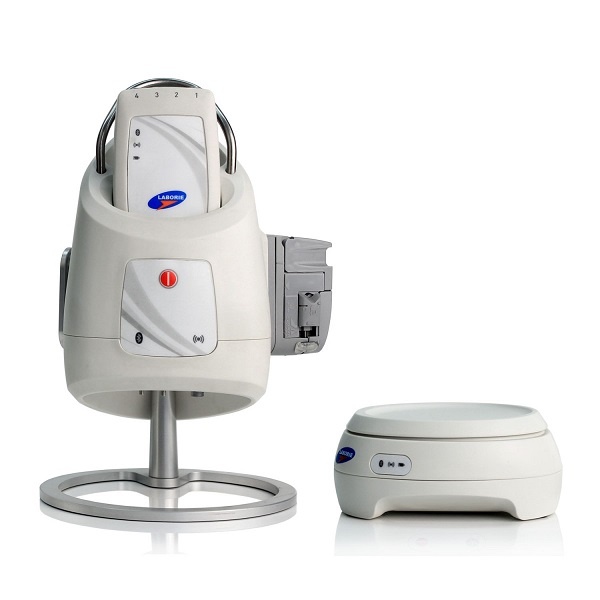
Laborie’s new NXT Pro urodynamics (UDS) system has a variety of features designed to make the user operations simpler and more intuitive. In addition, technological enhancements allow automation of several aspects of the exam and Bluetooth connections to monitoring devices.
Topics: Insider, Urodynamics Testing, urodynamics, urodynamics equipment, urodynamic catheters, urodynamics service provider
What is Required for a Urodynamics Tech or Nurse to be Competent?
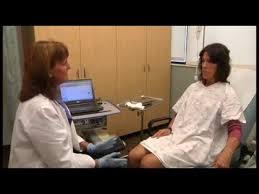
Since urodynamics (UDS) is a relatively time consuming test, physicians who perform and interpret UDS are reliant on ancillary medical staff to perform much of the UDS study. This role is often performed by a mid-level provider, such as a nurse practitioner (NP), physician’s assistant (PA), registered nurse (RN) and even by a medical assistant or other trained technician (MA). The degree of medical knowledge needed to successfully perform a UDS test does not need to be extensive, hence providers do not need a medical or advanced degree to perform UDS; however, they do need to be proficient in setting the patient up for the test, know the key steps, know how to manage basic artifacts and when to engage the physician during a test.
Topics: Urodynamics Testing, urodynamics equipment, urodynamics training
Topics: urodynamics equipment
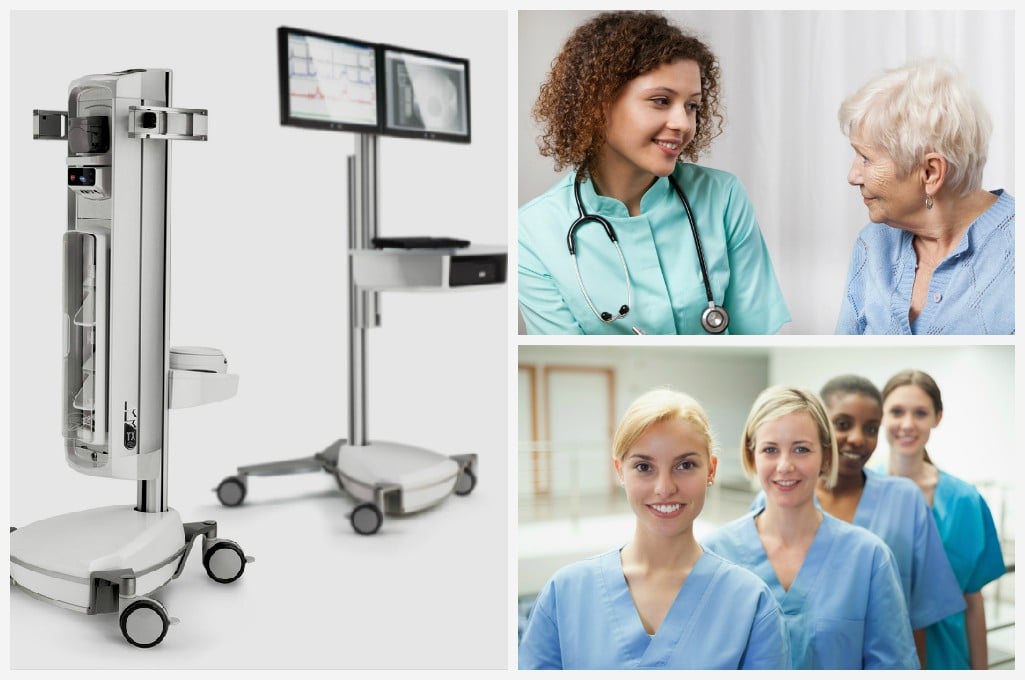
We are often asked about urodynamics equipment manufacturers that provide equipment in the U.S. We get several calls, emails, and social media inquiries a week regarding this. We summarize the primary providers in this post. We own and operate equipment from all of the manufacturers below, but the primary equipment we use is made by Laborie.
Topics: urodynamics equipment
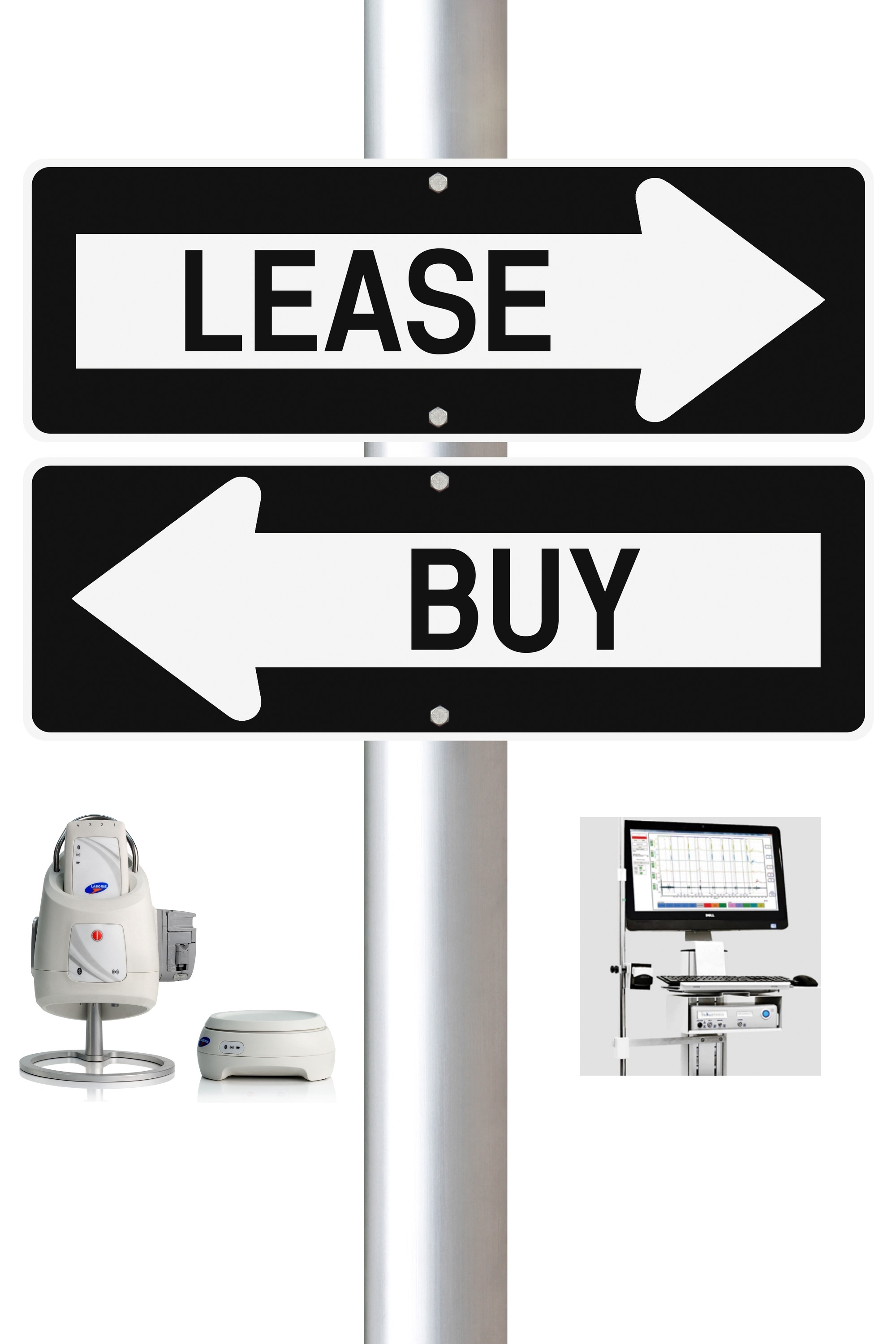
Urodynamics Equipment: Buy vs. Lease vs. Service Provider
Multiple practices and hospitals regularly reach out to us with their urodynamics needs. Many face the same dilemma, which is…should they buy their urodynamics equipment, lease it, or use a urodynamics service provider. These are all viable options, but they have very different costs and benefits. Some of the costs and benefits are obvious and some are not. We will discuss these in this post.