Disclaimer: I have not used the new system myself and relied upon colleagues who have for reviews. Additional information is from review of Laborie’s marketing materials.
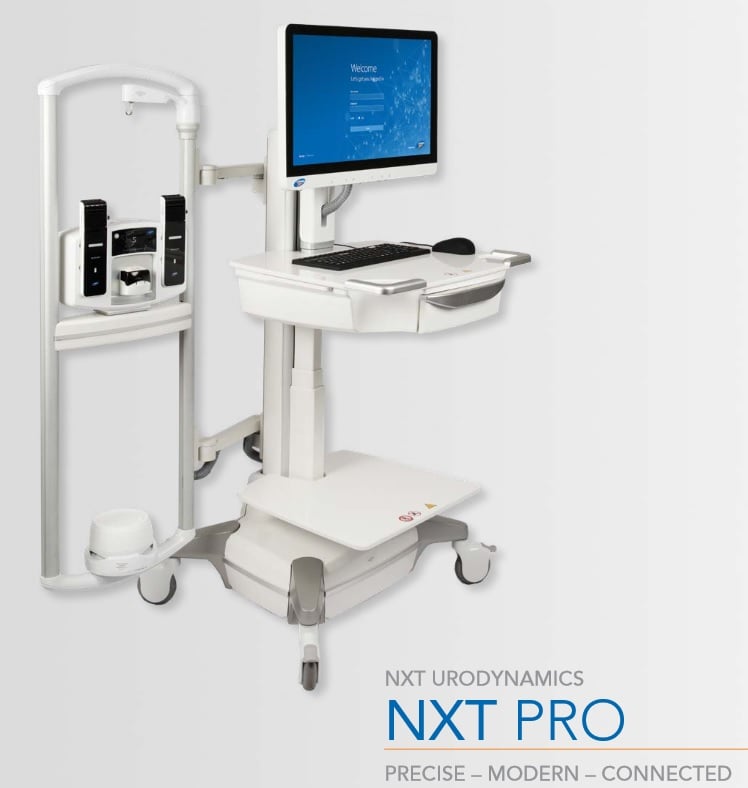
Laborie’s new NXT Pro urodynamics (UDS) system has a variety of features designed to make the user operations simpler and more intuitive. In addition, technological enhancements allow automation of several aspects of the exam and Bluetooth connections to monitoring devices.
Read More
Topics:
Insider,
Urodynamics Testing,
urodynamics,
urodynamics equipment,
urodynamic catheters,
urodynamics service provider
Urodynamics (UDS) is a relatively safe office procedure; however, as with any invasive procedure or test, there are risks associated with performing UDS. A few simple steps can help avoid complications in the majority of patients. Most of the complications associated with UDS are related to urinary tract infections (UTI) and the majority of this blog will focus on that. Additional complications include pain, patient anxiety and injury from catheter placement.
UTI is the most common serious complication of UDS testing, though the frequency of this is difficult to quantify.1 There are excellent guidelines on this from the University of Michigan1 and the American Urologic Association (AUA) also offers guidance for the prevention of UTI’s associated with UDS.2
Read More
Topics:
Urodynamics Testing,
urodynamics service provider,
Medical Practice Operations
Recently, a large-scale study of men referred to urologists in England for difficulty urinating has published results (Lewis Eur Urol 2019). This trial, called UPSTREAM, recruited over 800 men for two dozen locations across England. In addition to the usual history, physical and baseline evaluation for the voiding issues, some men were randomized to undergoing a urodynamics test (UDS) and the authors have recently reported some of their data.
Read More
Topics:
Urodynamics Testing,
male urodynamics,
Male Diagnostics
Urodynamics (UDS) testing is usually performed in conjunction with a slew of other urologic tests and functions in concert with other diagnostics. This blog post will explore other common tests used in patients who will be having UDS testing and explains the indications and data that come from those other assessments.
All patients who have UDS will undergo a comprehensive history, physical and laboratory testing. The history will focus on the specific urologic complaints the patient has, but also bowel issues, neurologic disorders and whatever medications the patient is on as well. Surgical history, especially related to urinary tract and anti-incontinence surgery is critical as is diet information. Lab testing will include a urinalysis to search for blood or infection, urine culture if infection is suspected, and many patients will have serum lab testing to assess kidney function.
Read More
Topics:
Urodynamics Testing,
outsourcing diagnostics,
urodynamics service provider,
Uroflowmetry,
Urology Practice Trends,
Post-Operative Urodynamics
Since urodynamics (UDS) is a relatively time consuming test, physicians who perform and interpret UDS are reliant on ancillary medical staff to perform much of the UDS study. This role is often performed by a mid-level provider, such as a nurse practitioner (NP), physician’s assistant (PA), registered nurse (RN) and even by a medical assistant or other trained technician (MA). The degree of medical knowledge needed to successfully perform a UDS test does not need to be extensive, hence providers do not need a medical or advanced degree to perform UDS; however, they do need to be proficient in setting the patient up for the test, know the key steps, know how to manage basic artifacts and when to engage the physician during a test.
Read More
Topics:
Urodynamics Testing,
urodynamics equipment,
urodynamics training
As with many of the practical aspects of urodynamics (UDS) testing, the rate at which the bladder is filled during the cystometric portion of the exam influences the test results. Generally speaking, filling during UDS can be at rates below physiologic levels, at physiologic levels or at supra-physiologic levels. There are distinct pros and cons to filling at either physiologic rates or rates above that, while filling at a rate below the natural rate of bladder filling is both inefficient and unnatural.
Read More
Topics:
Urodynamics Testing,
urodynamics,
urodynamics training
Patients with neurogenic lower urinary tract dysfunction (NLUTD) are at high risk of having poor bladder compliance, making upper urinary tract injury a distinct possibility. Given the wide variety of causes of NLUTD and the risk of upper tract damage, it is critical to perform surveillance of these patients for deterioration in bladder function and upper tract injury. Two of the most popular methods of surveillance for these issues are annual renal ultrasound and annual urodynamics (UDS) testing.
Read More
Topics:
Urodynamics Testing,
General Urology Information,
Neurogenic Bladder,
urology,
Ultasound
One of the most vexing clinical situations happens to be one of the best uses of urodynamics (UDS): ongoing symptoms after female incontinence surgery. These cases are challenging and patients are often not happy to have ongoing symptoms, new symptoms or worsening symptoms; however, appropriately utilized and interpreted, UDS can be key to helping these patients.
Read More
Topics:
Urodynamics Testing,
urodynamics,
incontinence,
Post-Operative Urodynamics
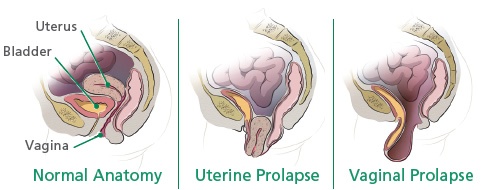
The topic of urodynamic studies (UDS) before prolapse surgery is highly debated in urogynecology. There have been previous studies conducted on women who had prolapse and uncomplicated stress urinary incontinence (SUI). Currently, there is no possibility of a universal consensus for UDS before prolapse surgery in women who have concomitant symptomatic SUI. The issue is that there is currently no evidence that the surgery outcome will be altered or not by being given a UDS. Thus, we must test further using randomized studies to advance and see if UDS can be useful before prolapse surgery.
Preoperative UDS Should Be Performed
If a patient with a pelvic organ prolapse (POP) has either stages IIIa, IIc, or lp, she is more likely to have symptomatic vaginal bulging and asymptomatic for stress or urgency incontinence. This case is just one example of where preoperative USD should be performed before the prolapse surgery. It’s been found that POP and lower urinary tract symptoms (LUTS) usually coexist with each other. But, UDS involve objective assessments of any dysfunction in the urinary tract system. Some UDS could prevent and save people from POP. However, not many are willing to perform this option.
Read More
Topics:
Urodynamics Testing,
urodynamics,
pelvic organ prolapse
Urodynamics testing is as much an art as it is a science. Unfortunately, there are many variables inherent to the way testing takes place that can lead to poor results. Here, how to know whether your urodynamics test results are poor will be discussed.
Read More
Topics:
Urodynamics Testing,
urodynamics,
urodynamics interpretation