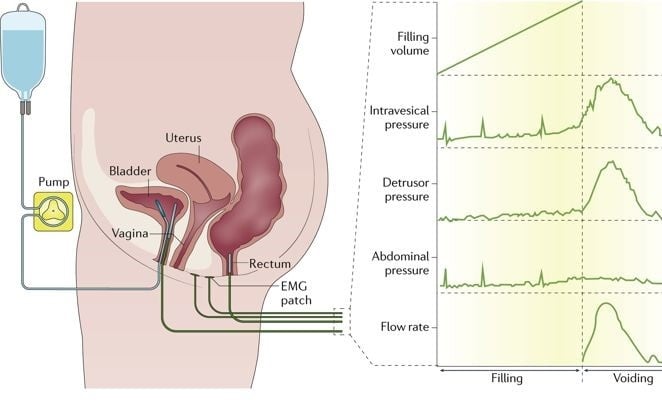
Urodynamics is a panel of tests relating to the lower urinary tract. It is most commonly used in its entirety; however, it is also possible that one or more of the components will be performed separately if symptoms suggest this is necessary.
Urodynamics is the most reliable way to determine the cause of lower urinary tract symptoms and therefore, the best way to determine which treatment methods are most appropriate.
A Care Pathway is an evidenced-based framework to build a treatment plan upon, beginning with the primary physician, continuing to specialist referrals if necessary, and following the patient through to the end of their treatment (including follow-up care).
They typically follow a common path that starts with patient history, followed by clinical assessment, provisional diagnosis, first line management, specialist management, and follow-up care.
Some examples are listed here:
Read More
Topics:
Urodynamics Testing,
General Urology Information,
urodynamics,
urodynamics equipment,
urodynamics staffing,
urinariy incontinence,
urodynamics interpretation,
post-void residual,
stress incontinence,
urodynamics profitability,
urodynamics catheters,
UroGynecology,
Cystometrogram
When it comes to conditions of the lower urinary tract, there are key differences to consider in order to determine which form of testing is the most appropriate. While there are striking similarities between methods that can potentially create confusion upon first glance, a practitioner knows which test is most appropriate for the corresponding symptoms.
One area that has the potential to create this confusion is determining the difference between the need for the broader Urodynamics testing panel or the Cystometrogram. While these two procedures involve many of the same elements, they are in fact different.
This post will provide a detailed comparison of the two methods and describe how they are similar, but also different. First, a brief explanation of the two methods before we compare:
Read More
Topics:
Urodynamics Testing,
BHN,
outsourcing diagnostics,
urodynamics,
incontinence,
urodynamics service provider,
male urodynamics,
stress incontinence,
Uroflow,
Uroflowmetry,
UroGynecology,
Cystometrogram
When it comes to diagnosing patients right the first time, urologists, obstetricians, gynecologists, and healthcare professionals who want to improve the services they offer to patients all need to have access to the right testing options for diagnosing specific issues. The same is true when it comes to monitoring the health of the lower urinary system, with urodynamics being the only testing option specifically designed to monitor patient urinary health.
What Is Urodynamics?
Urodynamics refers specifically to the study of how the bladder, urethra, and associated sphincters in the body do their job of storing and releasing urine. Urodynamic testing therefore refers to the set of tests that provide healthcare professionals with valuable information on the health and function of a patient’s urinary system.
Read More
Topics:
Urodynamics Testing,
Reimbursement,
outsourcing diagnostics,
urodynamics,
urodynamics equipment,
urodynamics staffing,
clinical operations,
video urodynamics,
urodynamics interpretation,
urodynamics service provider,
post-void residual,
male urodynamics,
Pediatric Urodynamics,
Uroflowmetry,
urodynamics catheters,
UroGynecology
Disclaimer: I have not used the new system myself and relied upon colleagues who have for reviews. Additional information is from review of Laborie’s marketing materials.
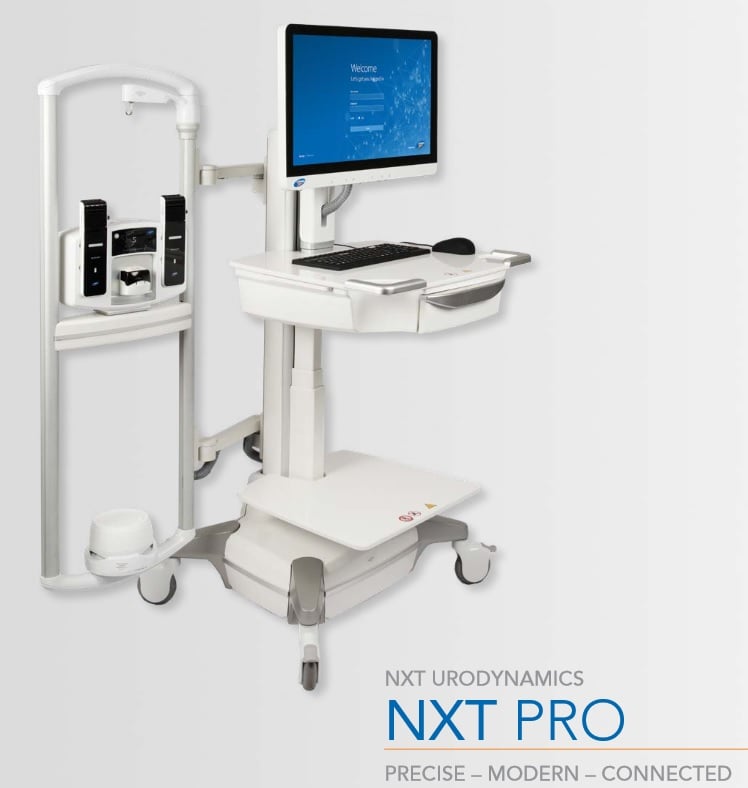
Laborie’s new NXT Pro urodynamics (UDS) system has a variety of features designed to make the user operations simpler and more intuitive. In addition, technological enhancements allow automation of several aspects of the exam and Bluetooth connections to monitoring devices.
Read More
Topics:
Insider,
Urodynamics Testing,
urodynamics,
urodynamics equipment,
urodynamic catheters,
urodynamics service provider
As with many of the practical aspects of urodynamics (UDS) testing, the rate at which the bladder is filled during the cystometric portion of the exam influences the test results. Generally speaking, filling during UDS can be at rates below physiologic levels, at physiologic levels or at supra-physiologic levels. There are distinct pros and cons to filling at either physiologic rates or rates above that, while filling at a rate below the natural rate of bladder filling is both inefficient and unnatural.
Read More
Topics:
Urodynamics Testing,
urodynamics,
urodynamics training
Proper quality control before and during urodynamics (UDS) is critical to obtaining optimal test results. There are several key maneuvers that should be performed before the study begins and in the event of issues during the test, several remedial actions that can be taken. The International Continence Society (ICS) has previously published on quality control during UDS and the work of both Blaivas and Abrams has expanded our understanding of both quality control and artifacts (Abrams, 2012). The reader should review the excellent manuscript from Abrams for further details, as much of this blog post refers to these works.
Read More
Topics:
urodynamics,
urodynamics training
One of the most vexing clinical situations happens to be one of the best uses of urodynamics (UDS): ongoing symptoms after female incontinence surgery. These cases are challenging and patients are often not happy to have ongoing symptoms, new symptoms or worsening symptoms; however, appropriately utilized and interpreted, UDS can be key to helping these patients.
Read More
Topics:
Urodynamics Testing,
urodynamics,
incontinence,
Post-Operative Urodynamics
Surgical management of stress urinary incontinence (SUI) is a commonplace procedure, usually indicated on the basis of the clinical history and exam findings alone. In fact, Level I evidence from the VALUE trial suggests that urodynamics (UDS) makes no difference in the outcome of SUI surgery in straightforward cases.1 Nonetheless, in many situations UDS is a critical part of evaluating SUI patients for surgery; moreover, in some instances UDS will spare women surgery that may not be beneficial.2
One clear-cut area where UDS is very helpful is for the patient who has previously undergone surgery for SUI and/or pelvic organ prolapse (POP). These patients may present complex anatomy, obstruction from prior surgery, changes in bladder compliance, and a very high valsalva leak point pressure. UDS may help guide the decision as to what intervention(s) may be necessary in these patients.
Read More
Topics:
urodynamics,
stress incontinence
My company provides advanced diagnostic testing services (primarily urodynamics testing, anorectal manometry testing, and other incontinence related services) to practices all over the country.
Through our work, we are exposed to practices at all profit levels from those that are hugely profitable to those that can barely pay the bills. Based on our work, we have compiled a few ideas below that should help any practice be more profitable. We hope that one or two will hit the mark for you.
Read More
Topics:
urodynamics,
ObGyn Practices,
urodynamics profitability,
Medical Practice Operations
The topic of urodynamic studies (UDS) before prolapse surgery is highly debated in urogynecology. There have been previous studies conducted on women who had prolapse and uncomplicated stress urinary incontinence (SUI). Currently, there is no possibility of a universal consensus for UDS before prolapse surgery in women who have concomitant symptomatic SUI. The issue is that there is currently no evidence that the surgery outcome will be altered or not by being given a UDS. Thus, we must test further using randomized studies to advance and see if UDS can be useful before prolapse surgery.
Preoperative UDS Should Be Performed
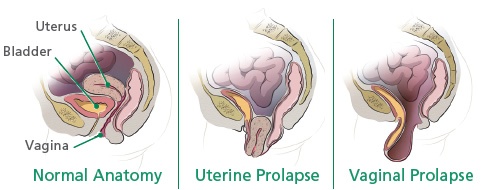
If a patient with a pelvic organ prolapse (POP) has either stages IIIa, IIc, or lp, she is more likely to have symptomatic vaginal bulging and asymptomatic for stress or urgency incontinence. This case is just one example of where preoperative USD should be performed before the prolapse surgery. It’s been found that POP and lower urinary tract symptoms (LUTS) usually coexist with each other. But, UDS involve objective assessments of any dysfunction in the urinary tract system. Some UDS could prevent and save people from POP. However, not many are willing to perform this option.
Read More
Topics:
Urodynamics Testing,
urodynamics,
pelvic organ prolapse